Most couples who start looking at a wedding at a French manor house do so with a fairly vague picture in mind. Stone walls, warm evenings, long tables in the open air. Something that feels unhurried and real rather than packaged and rushed. That image is largely accurate, but the reality is richer and more specific than most people expect, and understanding what a French manor house wedding actually involves from arrival to last dance makes the whole planning process considerably less daunting.
This guide covers the full experience: what the days surrounding the wedding look like, how the accommodation works, what the ceremony and evening actually feel like, and what makes an estate like Longeveau in the Charente-Dordogne worth serious consideration.
What Makes a French Manor House Wedding Different
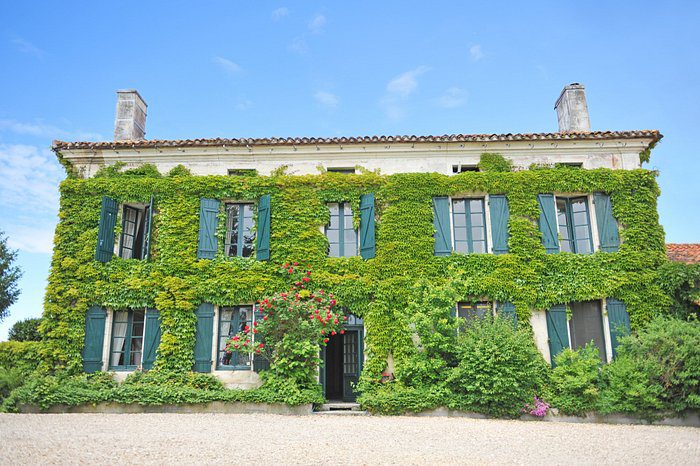
Before getting into the specifics, it’s worth understanding what actually separates a wedding at a French manor house from other destination wedding options, because it’s not just the aesthetics.
The defining feature is exclusivity. When you book a manor estate for a wedding in France, you are typically taking the entire property for the duration. There are no other guests from a different wedding wandering through the grounds, no hotel corridors shared with strangers, and no staff split between competing events. The venue is yours, and that changes the texture of the entire experience in ways that are difficult to fully appreciate until you’re in it.
The second difference is time. A French manor house wedding is almost never a single day. It is a long weekend, sometimes longer, and that matters enormously. When your guests have two or three days together in a beautiful place, the wedding stops being an event and starts being a shared experience. Relationships form and deepen across multiple meals, late evenings and unhurried mornings. Couples consistently describe this as one of the things they valued most about their choice, often more than the venue itself.
The third difference is the setting. South-west France, particularly the Charente and Dordogne region, has a quality of light and a pace of life that doesn’t translate well in photographs. You need to be in it. The countryside is genuinely beautiful in a way that feels ancient and quiet, and that atmosphere becomes the backdrop for everything that happens over the course of the weekend.
The Day Before: Why Arrival Day Matters More Than You’d Think
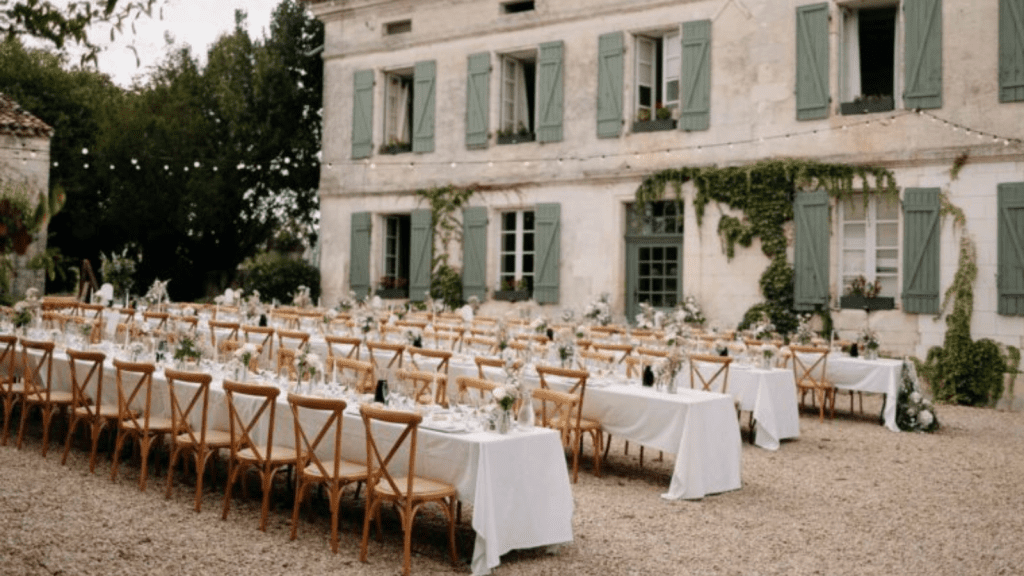
For most guests, the wedding weekend begins with arrival, and at a well-run French manor estate, that experience sets the tone for everything that follows. At Longeveau, a former Cognac estate sitting right on the Charente-Dordogne border, the stone cottages sleep between two and ten guests, meaning the entire wedding party arrives and settles into their own space rather than a hotel room.
There is something that happens on arrival evening at a place like this that you don’t get at conventional venues. People drop their bags and find each other in the courtyard or at the bar and restaurant, and the weekend begins to take shape organically. Nobody is rushing to a restaurant across town or navigating taxis in an unfamiliar city. The estate holds everyone in the same place, and the relaxed energy that comes from that is something couples mention again and again when they reflect on their wedding.
The day before is also when the practical details of the wedding take their final shape. The ceremony space is set up, the flowers arrive, and the couple’s family might gather for a quieter dinner. It is a day that sits between ordinary life and the wedding itself, and having it contained within the estate rather than scattered across hotel rooms and restaurants makes the whole thing feel grounded and manageable.
The Morning of the Wedding
Wedding mornings at a French manor house have a particular quality. Because everyone is already on site, there is no logistical scramble of collecting people from different locations and no anxiety about guests getting lost. The grounds are quiet in the early hours. The Charente-Dordogne countryside, which surrounds Longeveau on every side, looks best in the morning light, and that backdrop is there for anyone who steps outside before the day properly starts.
The couple and their closest people tend to have the morning they actually want rather than the one dictated by transport logistics. Hair and makeup happen in the cottages. Breakfast is served on the estate. The photographer has a setting that rewards good work without anyone having to drive anywhere.
By mid-morning the estate starts to feel alive. The ceremony space is ready. Guests who have slept on site start gathering. The whole day has room to breathe in a way that single-day venue bookings simply don’t allow.
The Ceremony and Reception at a French Manor Estate
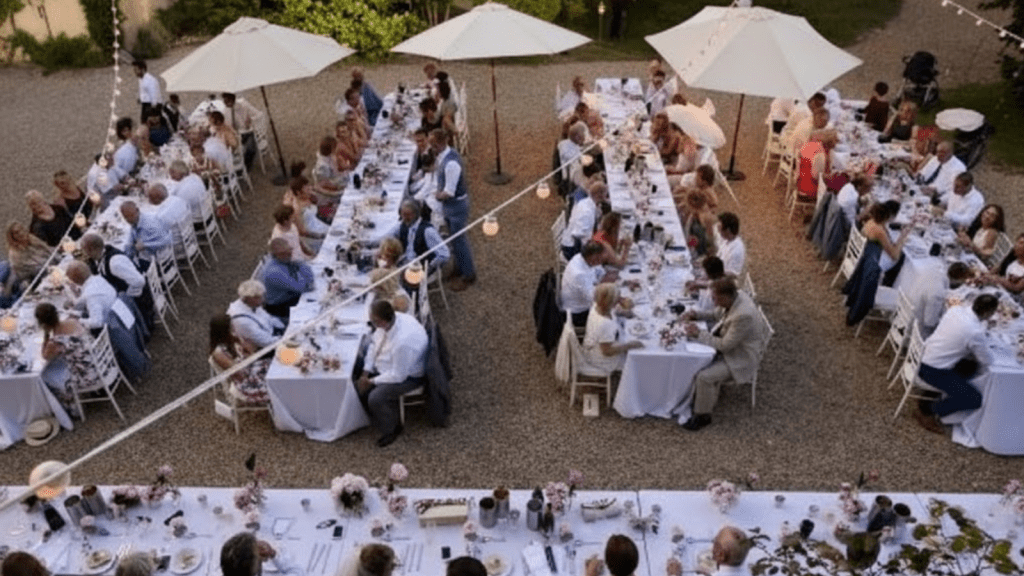
The ceremony at a wedding at a French manor house can take a number of forms depending on what the couple wants. At Longeveau, the outdoor grounds provide natural spaces for ceremonies that feel genuinely intimate without being cramped, with the Charente countryside and the estate’s historic stone buildings as the backdrop.
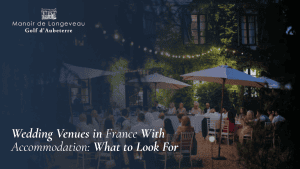
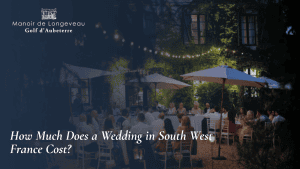
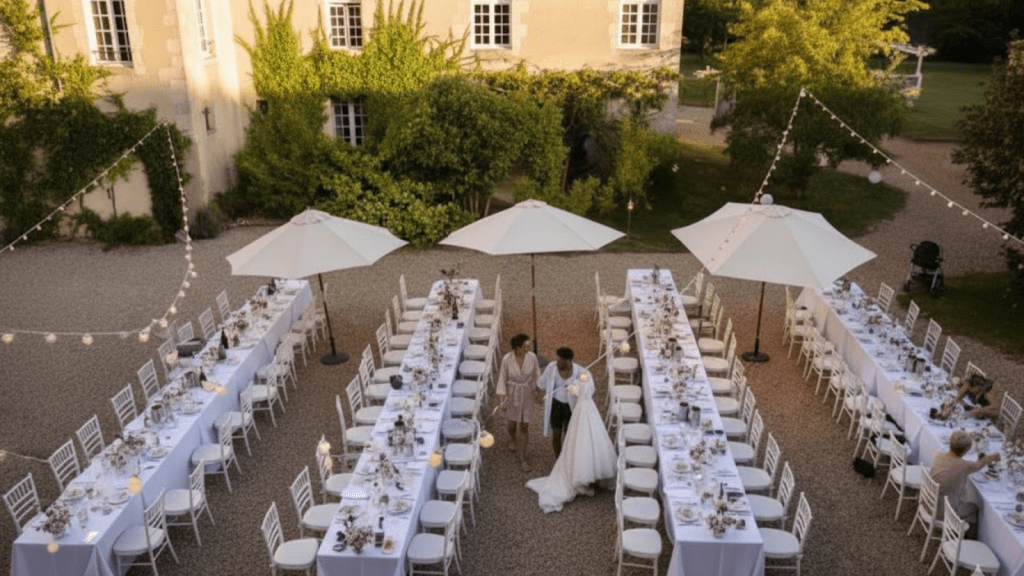
The late afternoon and evening, when the reception moves outside and the light begins to drop over the valley, is the part of the day that most guests describe as the moment the wedding became something they’ll remember for the rest of their lives. Long tables set in the open air, food prepared from local produce, and wine that doesn’t need to be chosen from a limited list. There is nothing particularly complicated about any of it, which is exactly the point.
The reception at a French estate tends to run on French time, which is to say it runs long and nobody minds. Dinner stretches across multiple courses and hours. Speeches happen when the mood is right rather than on a rigid schedule. The dancing starts when it starts, and it goes until people genuinely want to stop. That unhurried quality is one of the things that makes a wedding at a French manor house so distinct from the version of the day that most people have been to before.
Five minutes from the estate, Aubeterre-sur-Dronne, one of France’s most beautiful villages, sits above the Dronne river on a white chalk cliff. Some couples choose to incorporate a short visit into the weekend for guests who want to explore, and it makes for an easy and beautiful morning out the day after the wedding.
The Morning After
One of the less-discussed advantages of a French manor house wedding is what happens the morning after. At most venues, the day after a wedding is an awkward dispersal. People check out of their hotel rooms, say goodbye in car parks and disperse back to ordinary life before the experience has properly settled.
At an estate like Longeveau, the morning after is still part of the experience. Guests wake up in their cottages, wander to breakfast at their own pace, and the wedding party have a final few hours together in the same beautiful place. The couple gets to be present for it rather than already on the road. It is a small thing in practical terms, but couples who have experienced it consistently say it was one of the parts of the weekend they valued most.
The estate also has a 9-hole golf course, tennis courts and pools, which means guests who are staying an extra night or two have plenty to occupy themselves with without needing to leave the property at all.
A wedding at a French manor house is, at its best, a long weekend that nobody wants to end. The setting does a significant amount of the work, the pace of life in southwest France does most of the rest, and the right venue holds everything together without making itself the story. Longeveau sits at the quieter, more beautiful end of what this kind of wedding can look like, and if it sounds like the right setting for your group, the team would be glad to show you what’s possible.
Manoir de Longeveau — 35 self-catering gîtes with heated pools, on-site golf and tennis, minutes from Aubeterre-sur-Dronne.
Browse the gîtes