Périgord is famous for black truffles, foie gras, duck confit and centuries-old walnut groves, the ingredients behind Périgord cuisine’s reputation for serious regional cooking long before Paris got the credit.
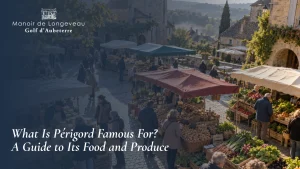
What most visitors don’t expect is how much of that Périgord food reputation is still earned at ground level, in market stalls and farmhouse kitchens across the Dordogne, rather than staged for tourists.
That distinction matters if you’re planning a trip around the food rather than just eating well while you’re there.
What Are the Most Famous Foods in Périgord?
| Food | Why It’s Famous |
|---|---|
| Black truffles | Hunted through winter, the region’s most prized and priciest product |
| Foie gras and duck confit | The backbone of Périgord cuisine, eaten more often here than almost anywhere else in France |
| Walnuts | Grown here since Roman times, now carrying their own protected designation |
| Cèpes | Wild porcini mushrooms foraged from local forests every autumn |
| Strawberries | Grown across the Dordogne and sold at market from April to October |
| Bergerac wine | Bordeaux’s quieter neighbour, especially the sweet Monbazillac |
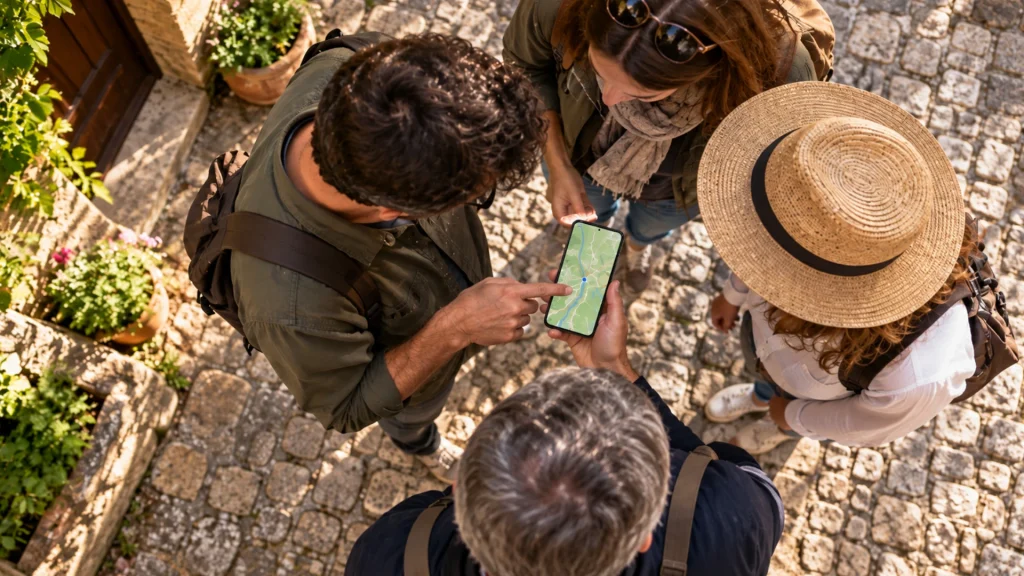
Where Is Périgord in France
Périgord is the old name for the Dordogne department in southwest France, part of the wider Nouvelle-Aquitaine region and what’s now more often sold to visitors as the Dordogne and Charente.
Locals still use the older name, and you’ll see it on menus more often than on road signs. The area splits into four traditional zones, Périgord Noir around Sarlat, Périgord Blanc near Périgueux, Périgord Vert in the north, and Périgord Pourpre around Bergerac, each with its own landscape and character.
The four zones share one obsession, what ends up on the plate. Start with the product Périgord is proudest of, its black truffles.
Why Périgord Is Famous for Black Truffles
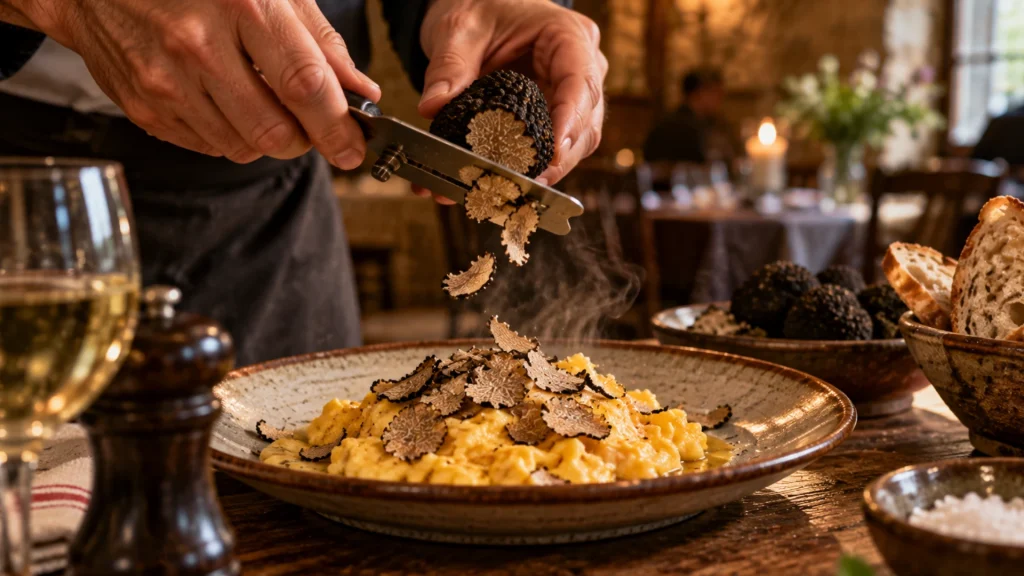
The Périgord black truffle, Tuber melanosporum, is harvested through winter and traded at controlled markets where trained dogs do the early work and a buyer’s eye still counts for as much as the scale.
Périgueux and Sarlat both hold serious truffle markets between December and February, and locals will tell you, often at length, why theirs is the better one. A kilo can fetch anywhere from €800 to €1,500 depending on size and season, which is part of why hunters guard their oak groves like family secrets.
A shaved truffle over scrambled eggs is the simplest way to understand the fuss. Anything more elaborate tends to get in its way.
What Food Is Périgord Known For Beyond Truffles
Duck, walnuts and whatever fruit or mushroom is in season make up the rest of the Périgord table. It’s less photographed than truffle season, but it’s what people here actually eat most days.
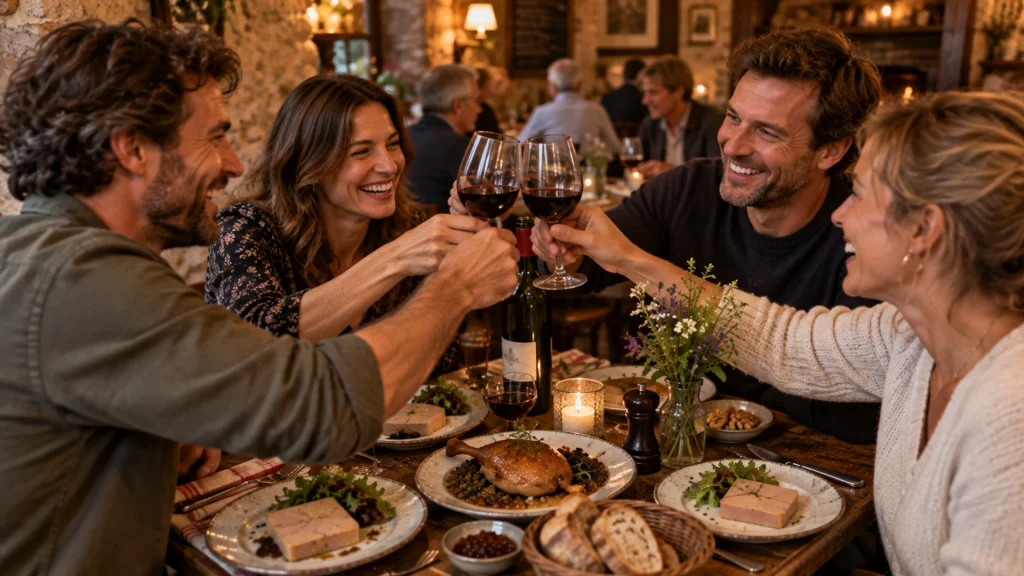
Foie Gras and Duck, the Region’s Everyday Luxury
Foie gras is treated as a special-occasion food almost everywhere else in France.
In Périgord it shows up far more often than that, cooked, semi-cooked or pan-fried depending on who’s serving it. Confit de canard, duck legs slow-cooked and stored in their own fat, sits on nearly every bistro menu in the Dordogne. Magret de canard, a seared duck breast usually served pink, is the version most visitors end up ordering twice.
Gizzard salad and duck rillettes are worth seeking out too, if only because they rarely make it onto English-language menus abroad. This is a region that still cooks the whole bird, gizzards and all.
Walnuts and Cabécou, Traded Long Before Wine Was
Walnut oil trading in Périgord was already well established by the 13th century, centuries before Bergerac’s wines earned their own appellation in 1936.
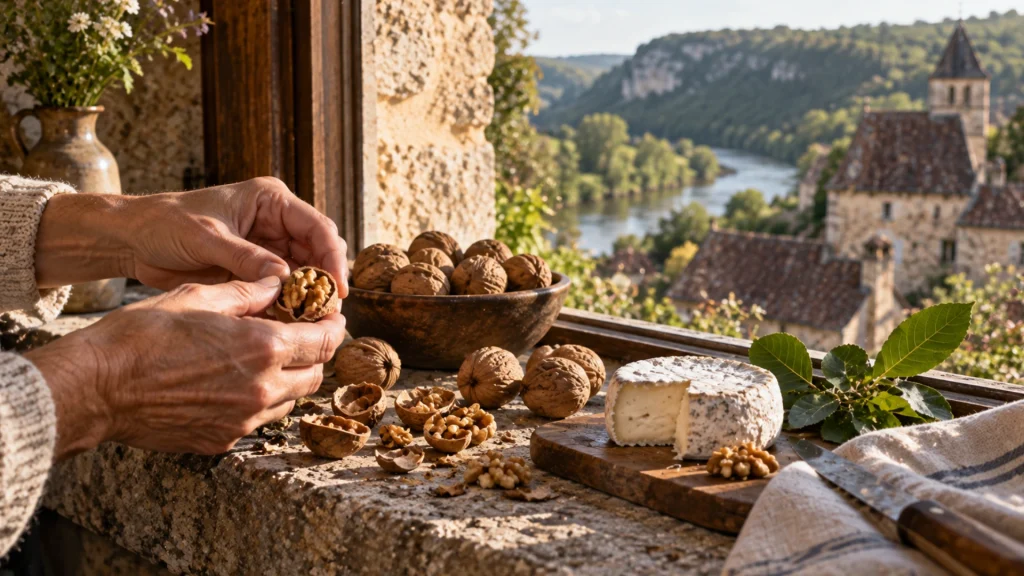
The Périgord walnut has carried its own protected designation since 2004, pressed into a fragrant oil that goes over salads and roasted vegetables, or baked into walnut tart and walnut cake dense enough to survive being sliced thin.
Cabécou, a small round goat’s cheese protected by its own trademark since 1992 (not to be confused with Rocamadour, a related but separately protected cheese made just over the border in the Lot), and cèpes, the wild porcini mushrooms that appear in local forests through autumn, round out a larder that rarely needs to look beyond its own borders.
A cèpe omelette, cooked simply with garlic and parsley, is a better introduction to Périgord gastronomy than most restaurant tasting menus.
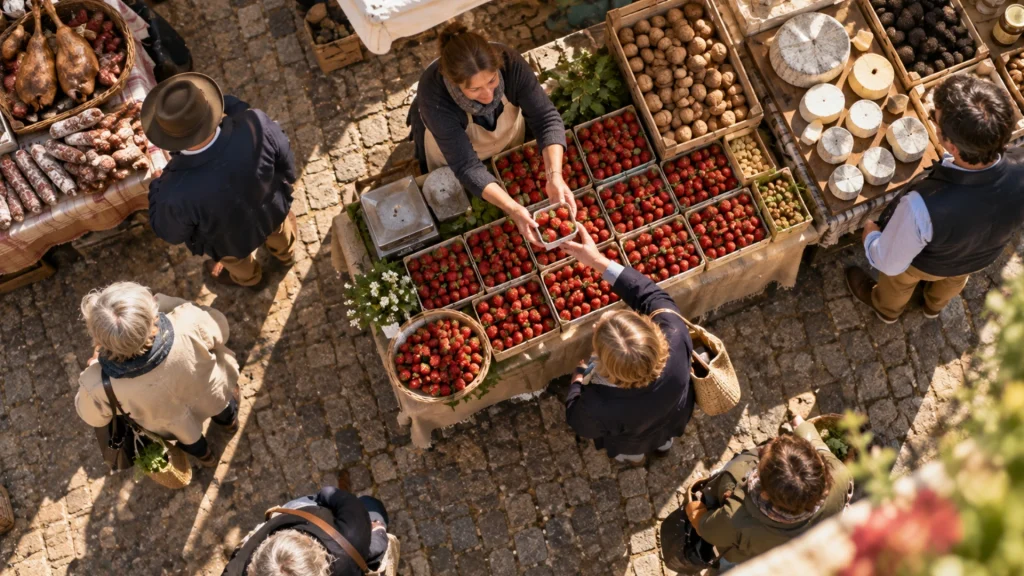
Strawberries and Potatoes, Born in the Vineyards
Strawberry growing in Périgord began between the region’s vine rows in the late 1800s, before becoming an industry in its own right. Today the fruit ripens on dedicated fields across the Dordogne, sold deep red and sweet at village markets from April through October, and occasionally paired with duck as well as folded into desserts.
Pommes Sarladaises, potatoes cooked slowly in duck fat with garlic, take their name from Sarlat and are a regular side dish across the region. Neither dish is complicated. Both depend entirely on the quality of what goes into them, which is the point.
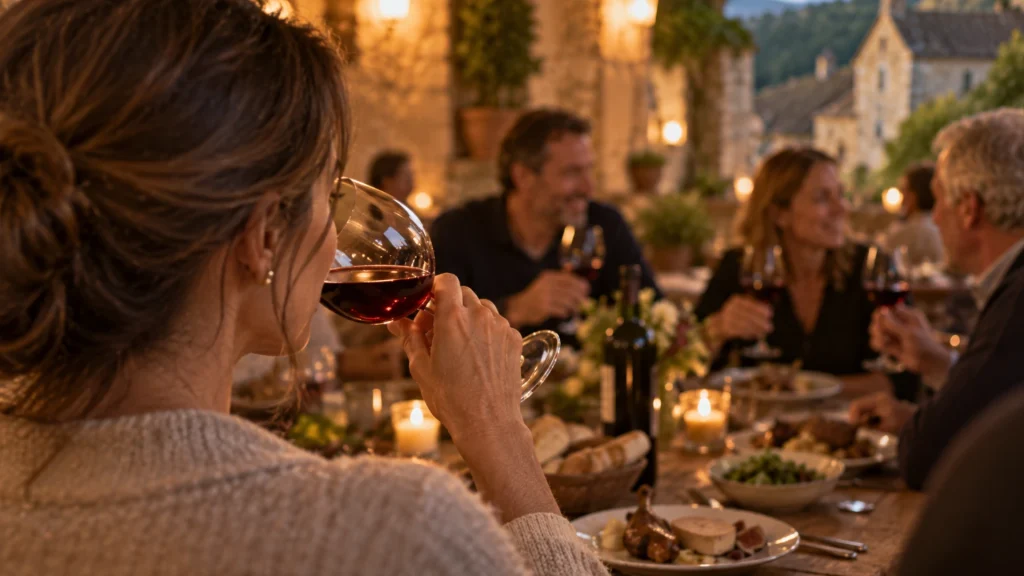
What Wine Should You Drink in Périgord
Bergerac’s vineyards sit close enough to Bordeaux to share the same grape varieties, at a fraction of the price, and roughly 85% of what’s produced stays in France rather than being exported.
Monbazillac, the sweet white made nearby, is the traditional pairing for foie gras, and one of the few regional pairings that actually earns its reputation rather than just repeating it.
Order it once with the right dish and you’ll understand why nobody here bothers explaining the pairing. They pour it and move on.
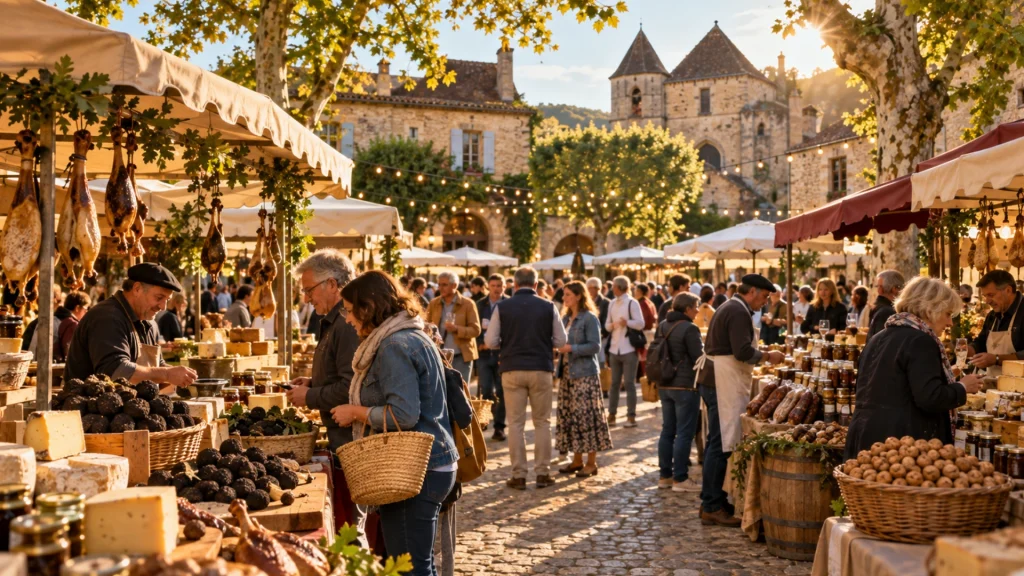
Where to Taste Périgord’s Food and Produce
The best introduction to Périgord food isn’t a restaurant, it’s a market. Sarlat’s Saturday market and Périgueux’s Wednesday and Saturday produce stalls are worth timing a visit around, arrive early and go straight for the truffle and cheese stalls before the tour groups do.
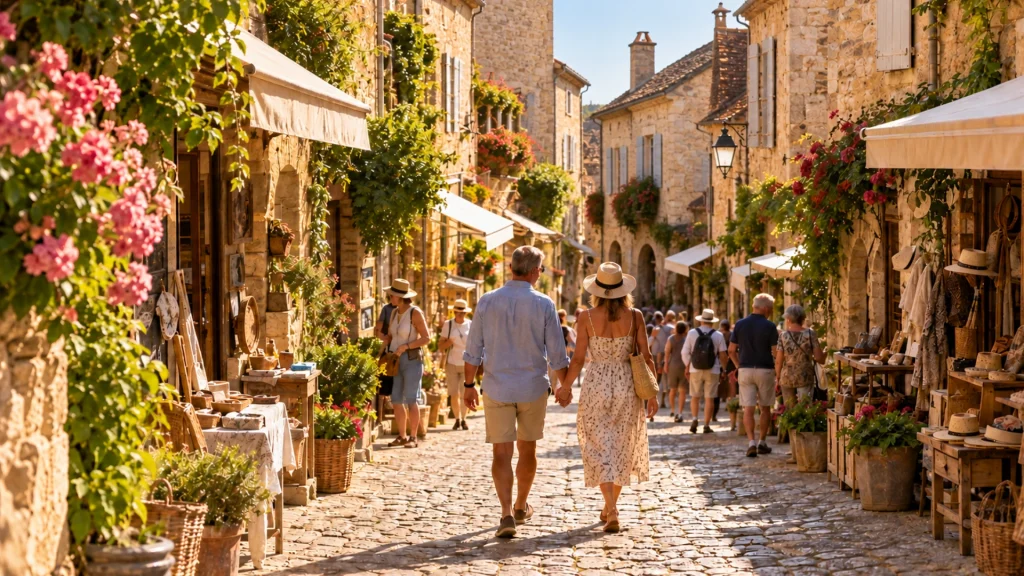
Bastide towns like Monpazier make a good base for exploring the smaller producers scattered through the countryside, and a day out in Aubeterre-sur-Dronne pairs a good meal with one of the region’s prettiest villages. A stay near Bergerac puts the vineyards within easy reach for an afternoon.
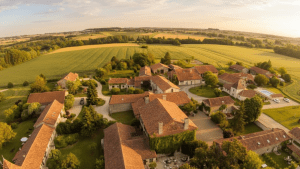
Manoir de Longeveau sits in this same stretch of southwest France, close enough to the truffle markets, duck farms and vineyards that a stay at Manoir de Longeveau means eating this way without much planning required.
What Food Should You Try in Dordogne?
Knowing what Périgord is famous for gets you as far as knowing what to look for. The next question is what to actually order, and that’s a longer list than one section can hold.
Our full Dordogne food specialities guide, “Dordogne Food Specialities: 12 Local Dishes You Have to Try,” walks through twelve dishes worth trying by name, from Salade Périgourdine to tourin, the rustic garlic soup that rarely makes it onto an English-language menu. Between the two guides, you’ll know what the region is famous for and exactly what to put in front of you at the table.
Frequently Asked Questions
Is Périgord the Same as Dordogne?
Yes. Périgord is the historic name for what is now the Dordogne department, and it’s still used on menus and market stalls more often than the modern administrative name.
When Is Truffle Season in Périgord?
Truffle season runs from December to February, with markets in Sarlat and Périgueux running through those months and Sarlat’s own truffle festival held every January.
Why Périgord Is Worth Visiting for Its Food Alone
Périgord’s food reputation was never built for visitors, and that’s why it’s worth planning a trip around. Turn up hungry, follow the markets, and let the region do the rest.